Our Work
Recent Projects
A few decks we've built and fixed around the neighborhood.
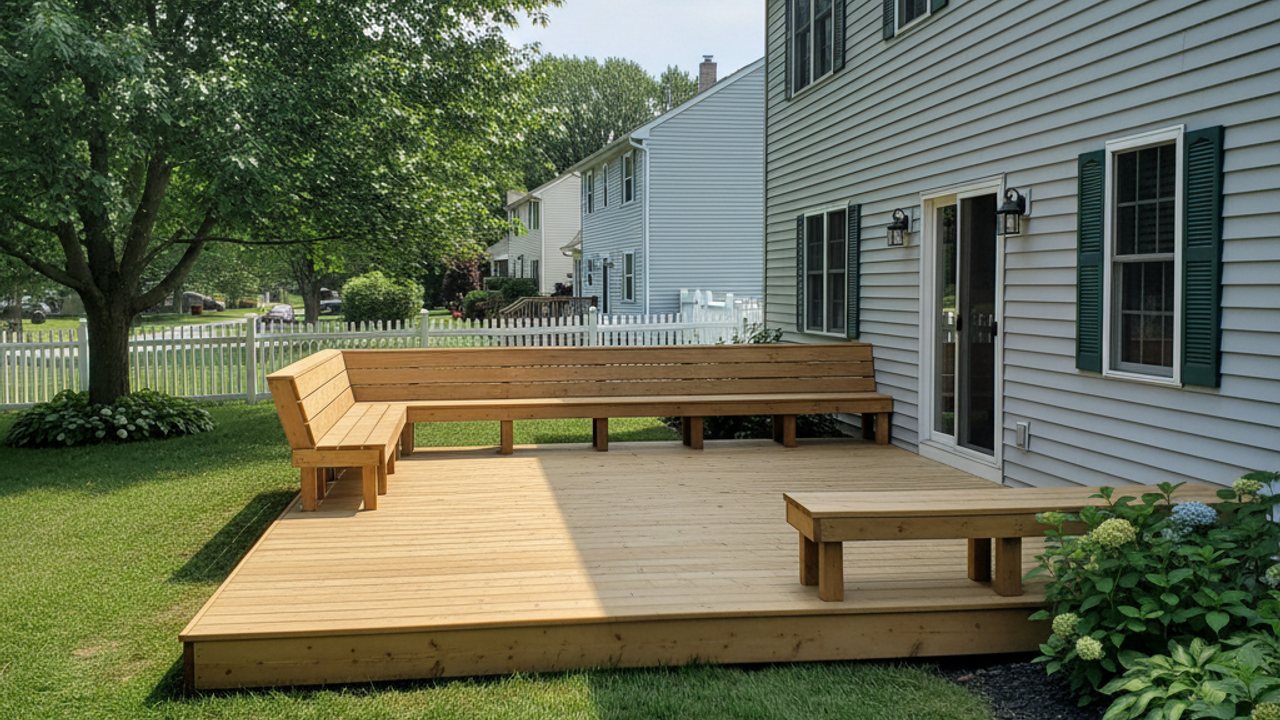
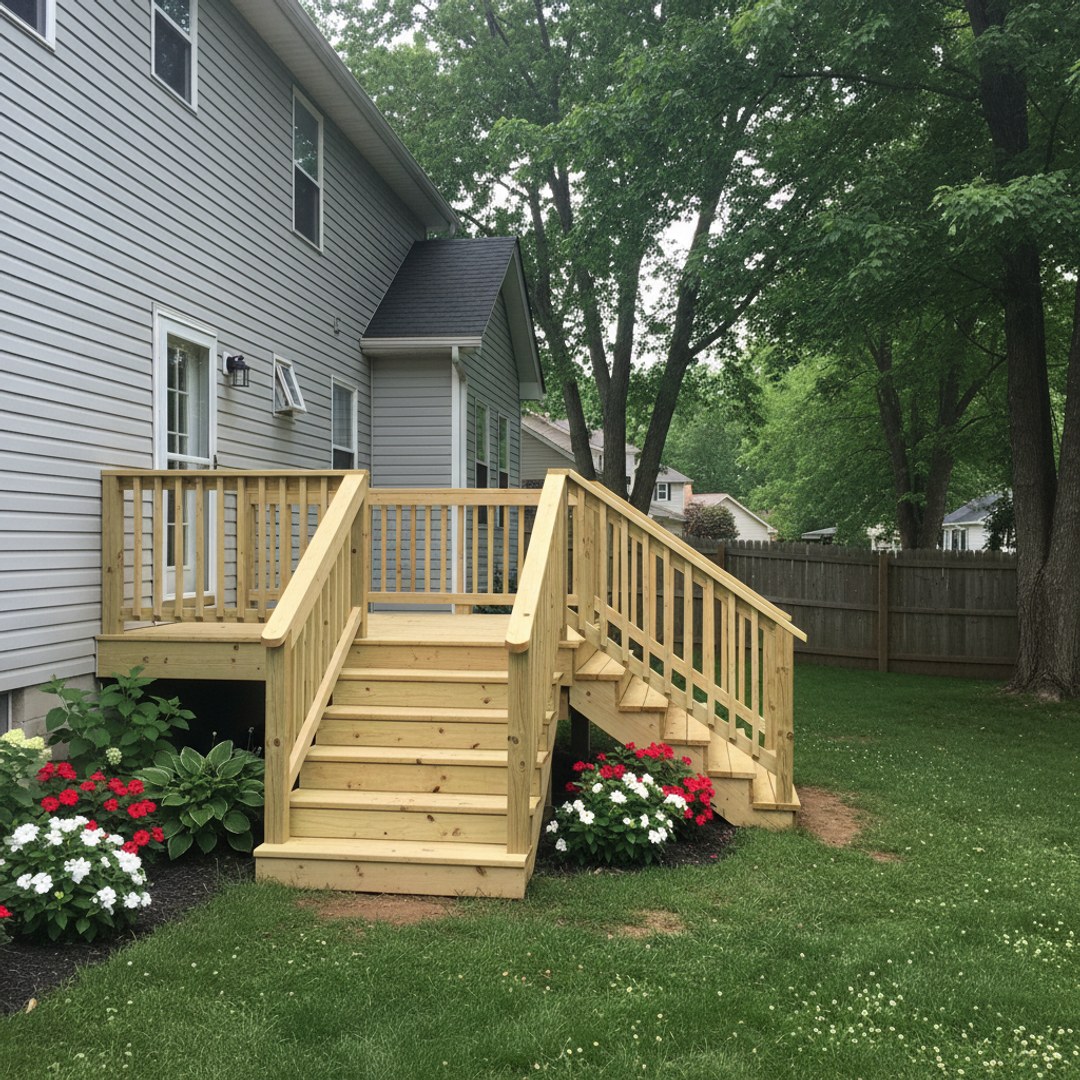
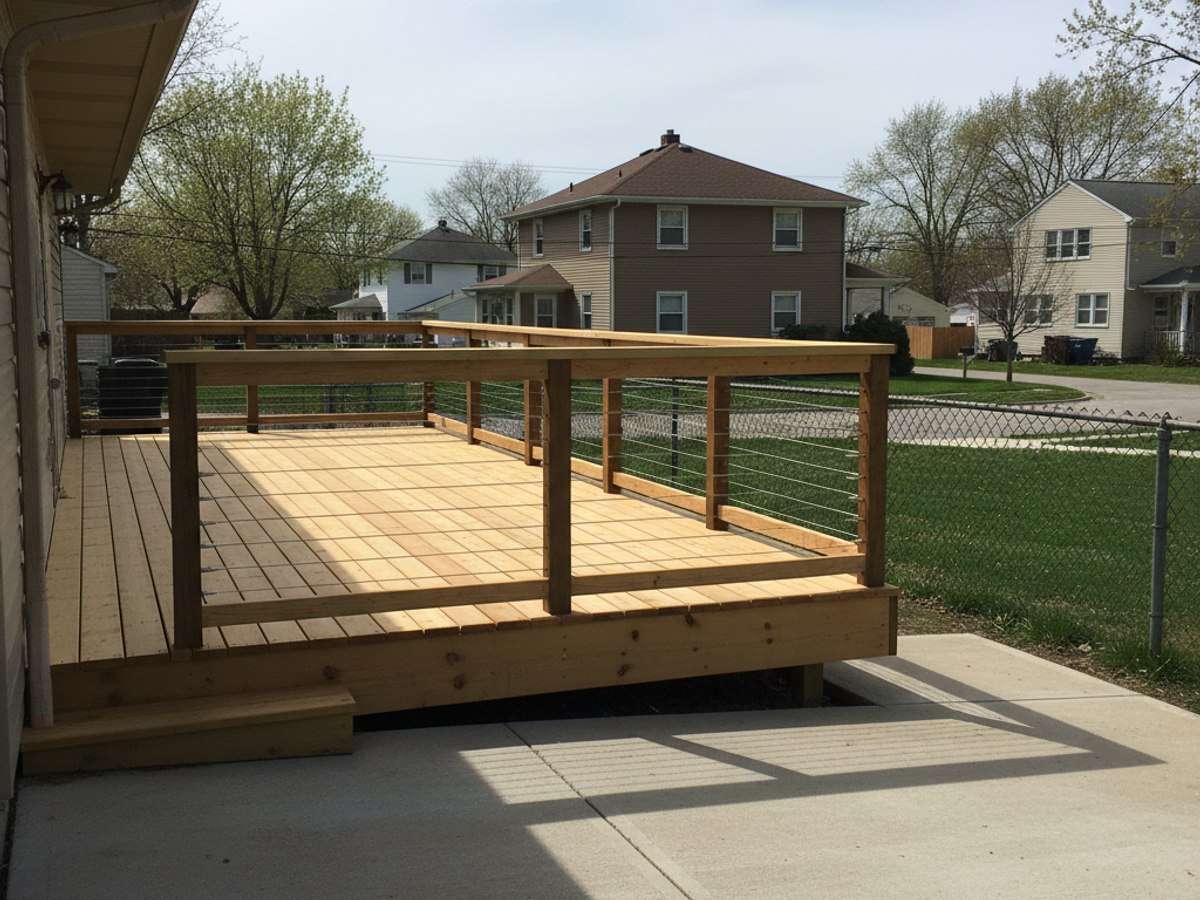
Every job below is one we do ourselves across Brooklyn.
We set footings below the frost line, typically around 36 inches in this area, so the deck doesn't heave when the ground freezes. Joists go in at 16 inches on center under standard decking, closer under composite if the manufacturer calls for it. Ledger boards get flashed properly where they meet the house, since that's the spot that rots first if water gets behind it.
Most repair calls start with a soft spot underfoot or a railing that's started to move. We open up the framing to find out if it's one rotted joist or a failing ledger board, then decide whether to sister the joist or replace the section outright. A repair only holds if the fix goes past the visible damage into wood that's still solid.
We pressure wash the deck first and let it dry out for a day or two before anything goes on, since sealer trapped over damp wood just peels. Oil-based stains soak in deeper and hold up better against salt air near the water, while water-based finishes dry faster and hold color longer in full sun. Plan on redoing it every two to three years depending on how much direct sun the deck gets.
We lay out multi-level decks, built-in benches, and stair placement around how your yard actually slopes, not a stock template. Square footage, railing style, and decking material all get worked out on paper before a post goes in the ground. If the design requires a permit drawing stamped by an engineer, we handle getting that done.
Baluster spacing has to stay under 4 inches by code, and required railing height changes depending on how far the deck sits above grade. We install wood, cable, and composite railing systems, and cable rail in particular requires the posts sized correctly or the whole run goes slack within a year. Loose or wobbly railing on an existing deck usually means the post was never bolted through the framing to begin with.
If the joists and beams underneath are still sound, we can pull off old wood boards and install composite decking without rebuilding the frame. Composite decking calls for hidden fastener systems and a small gap at every board end for expansion, which is where a lot of DIY composite jobs go wrong. It costs more upfront than pressure-treated lumber but skips the sanding and staining cycle entirely.
Rot usually shows up first at the post bases near grade and at the ledger board bolted to the house. We sister damaged joists with new lumber rather than replacing the whole run when the rest of the frame is sound, and we swap in hardware rated for whatever lumber goes back in. A frame repair done without checking the beam size underneath just delays the same call a few years out.
We tear out the old deck down to the footings and haul away every board, joist, and fastener, including pressure-treated lumber that can't go in a regular dumpster in some towns. If the footings are still sound and in the right spot, we can build the new deck on top of them instead of starting from scratch. If they're undersized or cracked, they come out too.
We check ledger bolt spacing, post connections, joist hanger condition, and railing stability, the things that actually cause a deck to fail rather than just look old. This is worth doing before listing a house for sale, or after a hard winter with a lot of freeze-thaw cycles. You get a straight answer on what's structural and what's just cosmetic.
We build pergolas and shade structures attached to an existing deck or standing on their own footings. Attaching one to a deck that wasn't framed to carry the extra load means reinforcing the beam first, not just bolting posts to the decking. It's a smaller job than a full deck build, but the footing work is the same.
Four steps, and no surprises in any of them.
You tell us what you want doing, we look at what is actually there, and we ask the awkward questions early.
In writing, itemised, free. If something might add cost later we flag it now rather than at the end.
Same crew throughout. We cover your floors, keep the dust down and tidy up before we leave each day.
You point out anything you are not happy with and we fix it before the invoice, not after.
A few decks we've built and fixed around the neighborhood.
Deck installation, repair, and refinishing covered across this list of towns.
Questions that come up once a deck project actually gets underway.
Describe the problem and we will tell you what it probably is. No obligation.